What should you know before painting an older ranch home

Walk a ranch house in Torrance, CA from the outside in before choosing any color, and the breakdown sitting on painters torrance ca hiv corrections lists what painting crews look for first on homes built in the middle of the last century.
Many layers of paint, some of them old

A ranch house that has been repainted every decade or so carries a thick stack of coatings on its trim and eaves. Edges and corners where that stack has cracked get scraped back to a firm edge, then feathered with a sanding block so the old steps do not telegraph through the new coat. Homes built before the late seventies can also have lead in the older layers, so sanding and scraping are done with the right precautions, and a test kit is cheap.
Wood trim takes the most punishment
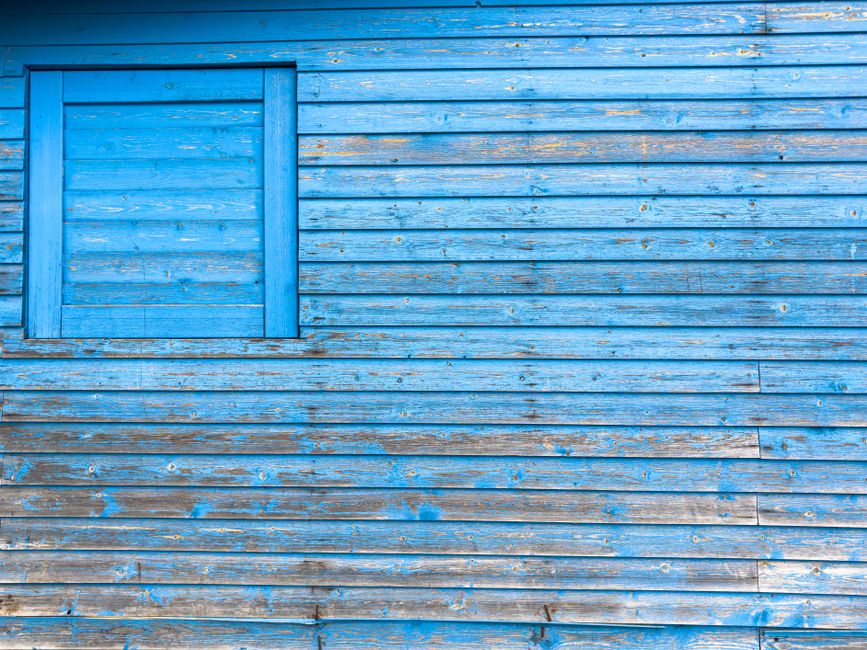
Eaves, fascia and window frames face the sun for years. Rot is probed with a screwdriver, soft wood is cut out and replaced, and gaps are filled with caulk or an exterior wood filler. Bare wood is primed the same day it is exposed, since raw boards drink moisture quickly in the damp South Bay air.
Interior walls and patched drywall
Original plaster and drywall in these homes has been patched many times. Each patch is spackled, sanded flat and spot primed, because spackle and bare drywall soak up paint differently and show as dull spots under an eggshell or satin topcoat. A raking light held along the wall shows every flaw before the roller does.
Popcorn ceilings and textured walls
Textured ceilings are common in houses of this age. They take a roller with a thick nap, and a sprayer works faster, though masking everything below takes longer than the painting itself. A latex ceiling flat hides small flaws better than any sheen.
Working in occupied rooms
Many families in the neighborhoods around El Camino College and the Del Amo Fashion Center stay in the house during painting. Rooms are done one at a time, furniture is gathered to the middle and covered, and low odor acrylic paints keep the air tolerable. Each room gets its dry time before furniture returns.
Sequence of the work
The order matters: repairs first, then sanding, then primer, then two coats of topcoat. The cut in along ceilings and trim goes before rolling, so the roller can overlap the brushed edge while it is still wet.