Questions Torrance homeowners ask before repainting a house
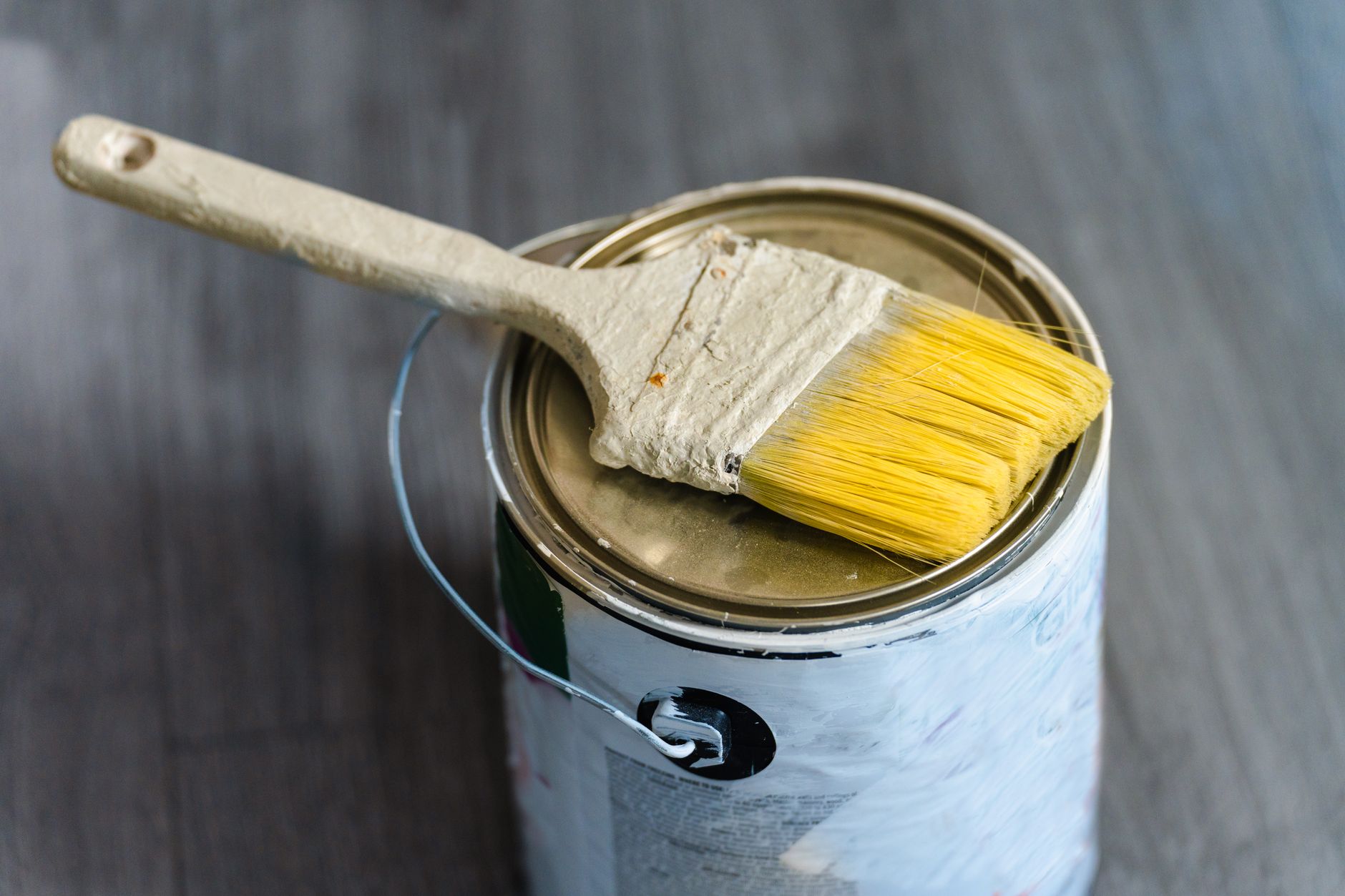
Homeowners in Torrance tend to ask the same handful of questions once the paint on their house starts to look tired. Some of the questions are about timing, some about materials, and some about whether a problem is cosmetic or a sign of something underneath. The answers below come from the way painting crews actually handle houses in the South Bay, where salt air, marine layer mornings and a lot of mid century housing shape every decision.
How do you know a house is ready for repainting?
The clearest sign is chalk. Rub a dark cloth across a sunny wall, and if a white powder comes off, the binder in the paint has broken down. Other signs include fading that is uneven from one side of the house to the other, hairline cracks in the stucco, peeling at the bottom of trim boards, and caulk that has pulled away from window frames. Any one of these can be handled with a spot repair. Several at once mean the full coating is at the end of its life.
Interior walls give different signals. Scuffs that will not wipe clean, yellowing near kitchens, stains below bathroom vents and patches that have started to show through are all reasons to repaint a room. A fresh coat after a repair also hides the flashing that comes from patched spots drying with a different sheen.
Does the sea air really shorten paint life?
Yes, and it shows first on the windward side of a house. Air coming in off the Pacific Ocean carries salt, and salt holds moisture against the surface. That damp film works on the paint binder season after season. Metal rails and gutters show rust sooner, wood trim swells and opens at the joints, and stucco chalks. The west and south faces take the most sun as well, so they fade faster than the north and east walls.
Washing helps more than people expect. A fresh water rinse once or twice a year clears salt before it builds up, and a quick look at caulk lines each spring catches gaps before water gets in.
What is the right order of work on a whole house?
Exterior before interior is the usual advice when both are planned, because exterior work throws dust and workers move through the house for ladders and tools. Within the exterior, the order is wash, scrape, repair, caulk, prime, then paint from the top down. Within a room, the order is ceiling, walls, trim, doors.
There are exceptions. If the weather is wrong for exterior work, a crew can move indoors for a few days and come back. A house with a leaking window may need that repair before any paint goes on at all.
Can you paint over old oil based paint with latex?
You can, with the right prep. Glossy oil based trim needs a scuff sand to dull the surface, then a bonding primer, and then latex goes on without trouble. Skipping the primer is the usual mistake. Latex applied straight over gloss oil can peel off in sheets within a year, particularly on door edges and window sills where hands touch the surface.
A simple test: rub a cotton ball soaked in rubbing alcohol on the old paint. If the paint softens and comes off on the ball, it is probably latex. If it does not, treat it as oil based and prime accordingly.
Which sheen belongs where?
Flat goes on ceilings and low traffic walls because it hides flaws. Eggshell suits most bedrooms and living rooms. Satin handles kitchens and hallways, and semi gloss goes on trim and doors, where the harder film resists scuffs and wipes clean. Bathrooms near the coast, where humidity is higher, do better with satin or semi gloss acrylic.
The more sheen a paint has, the more it shows wall flaws. A satin on a badly patched wall will show every patch from across the room, while a flat finish forgives. That is why prep work gets more attention the shinier the paint will be.
How long should paint dry before furniture goes back?
Dry to the touch and fully cured are two different things. Most latex wall paints are dry to touch within an hour or two and ready for a second coat in about four hours, but they continue to harden for days. Furniture can usually go back after a day, with a gap left between the piece and the wall. Pictures wait a bit longer. Trim enamel takes the longest to harden, and doors that stick in their frames in the first few days are a common complaint when they are closed too soon.
Is stucco harder to paint than smooth walls?
It is more work per square foot, not harder in a technical sense. The texture holds much more surface area, so it soaks up more paint, and it needs a thick nap roller or a sprayer followed by a back roll to push the coating into the pores. A thin application leaves pinholes where moisture can enter, and it chalks early.
Cracks matter more on stucco than on drywall. Hairline cracks get flexible caulk, wider ones get patching compound, and an elastomeric coating can then bridge small movement later. Rigid spackle is the wrong choice outdoors because it cracks again with the first change in temperature.
What about lead paint in older houses?
Homes built before the late seventies may have lead based paint in older layers. Sanding or scraping those layers creates dust that should not be breathed or left on floors. Test kits from a hardware store give a quick answer on a small spot. If the result is positive, the work changes: containment, wet scraping, a HEPA vacuum and careful cleanup replace dry sanding. Painting over sound lead paint that is in good condition is often a safer choice than disturbing it.
Many of the ranch houses near Madrona Marsh and the streets by El Camino College fall into this age range, which is why a test is a normal part of the first visit on those homes.
How many coats does a wall really need?
Two coats of good acrylic latex is the standard, and the second coat is what gives even coverage and a consistent sheen. One coat can work when repainting the same color over a clean, sound surface with a paint that has a primer built in, but a color change almost always wants two. Dark reds and deep blues often need a tinted primer first, followed by two coats.
When is the wrong time of year to paint outside?
The coastal fog season, with its damp mornings, and the first rain of the wet season are the two rough patches. Late spring and early summer bring many marine layer mornings, and a crew simply starts later in the day. Fall can be excellent, with dry air and mild temperatures, though occasional offshore wind can be rough on spray work. Winter rain is infrequent but can arrive in a short burst.
Very hot days are a problem of their own. Paint on a surface in direct afternoon sun dries too fast, leaves lap marks and does not bond as well. Crews follow the shade around the house and keep dark colors for the cooler hours.
What should be done with leftover paint?
Keep a small labeled can for touch ups, with the room, color name and sheen written on the lid. Store it somewhere that does not freeze or bake, such as a closet shelf rather than a hot garage. Larger quantities of leftover paint should go to a household hazardous waste drop off in Los Angeles County instead of the trash or a drain.
Closing note
Most of what makes a paint job last is invisible once the work is done: washing, repairs, primer and dry time. Ask about those first.